Atorvastatin (Lipitor): Effects on Cholesterol and Heart Health
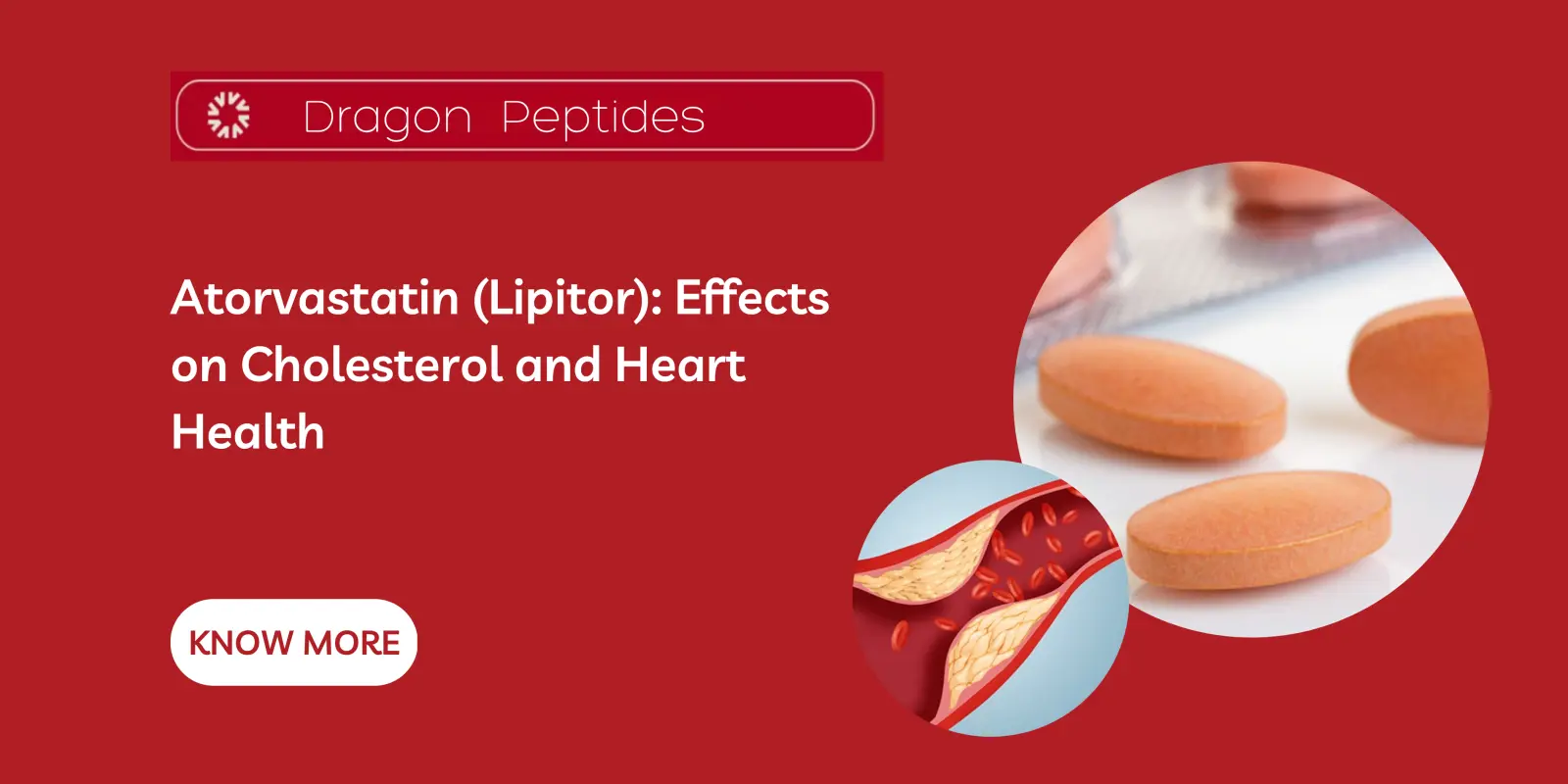
Cardiovascular health sits at the very foundation of lifelong vitality, physical performance, and overall longevity. When lipid levels in the blood such as cholesterol and triglycerides creep upward, the silent risk of atherosclerosis, stroke, and heart attack begins to rise. Modern medicine relies heavily on targeted pharmaceutical interventions to manage these risks, with HMG-CoA reductase inhibitors, commonly known as statins, leading the standard of care.
For patients managing hyperlipidemia under medical supervision, navigating prescriptions safely is paramount. Whether reviewing clinical guidelines or looking to Buy Atorvastatin 40mg online through certified pharmacy channels, understanding how statins protect the cardiovascular system is essential for long-term health management. Statins work by inhibiting the enzyme HMG-CoA reductase, which plays a rate-limiting role in hepatic cholesterol synthesis. By blocking this pathway, the liver increases its production of low-density lipoprotein (LDL) receptors, effectively clearing circulating "bad" cholesterol from the bloodstream and reducing the risk of coronary events.
Medical Indications, Dosing Guidelines, and Statin Benefit Groups
Atorvastatin, widely recognized by its brand name Lipitor, is indicated for both the primary and secondary prevention of coronary heart disease. It serves as an essential adjunct to a proper diet, helping patients achieve healthy lipid targets across a variety of clinical scenarios:
- Primary Prevention: Lowering the risk of heart attack, stroke, angina, and revascularization procedures in individuals without established coronary heart disease who present with multiple cardiovascular risk factors, including type II diabetes.
- Secondary Prevention: Reducing non-fatal heart attacks, fatal and non-fatal strokes, and hospitalizations for coronary heart disease in patients who already have diagnosed heart conditions.
- Specialized Dyslipidemias: Managing primary hyperlipidemia, mixed dyslipidemia, hypertriglyceridemia, primary dysbetalipoproteinemia, homozygous familial hypercholesterolemia (HoFH), and heterozygous familial hypercholesterolemia in adolescents.
Dosage Strengths and Statin Benefit Groups
Atorvastatin is available in 10, 20, 40, and 80 mg tablets. It can be taken with or without food, though many clinicians recommend evening administration because hepatic cholesterol synthesis peaks overnight.
According to the American College of Cardiology and American Heart Association (ACC/AHA) guidelines, dosing is categorized by intensity:
- Moderate-Intensity Therapy: Typically, 10 to 20 mg daily, expected to lower LDL-C by 30 to 50 percent.
- High-Intensity Therapy: Typically, 40 to 80 mg daily, designed to lower LDL-C by more than 50 percent for high-risk patients.
While cardiovascular health remains a cornerstone of longevity, active adults and fitness enthusiasts frequently explore various physical conditioning strategies. Those investigating body composition protocols or looking for reliable sources of Lab-Tested SARMs must also remain mindful of how metabolic stress and systemic health intersect cardiovascular well-being.
Managing Side Effects, Precautions, and Drug Interactions
Like any potent medication, atorvastatin carries a well-documented side effect profile that requires careful clinical monitoring. Common mild side effects include nasopharyngitis, arthralgia, joint pain, urinary tract infections, and digestive upset. However, patients and providers must remain vigilant for more serious adverse events.
Serious Risks and Monitoring
- Myopathies and Rhabdomyolysis: Statins can occasionally cause skeletal muscle pain, tenderness, or weakness accompanied by significantly elevated creatine phosphokinase (CPK) levels. In severe cases, this can progress to rhabdomyolysis, a condition where damaged muscle tissue releases proteins into the blood, potentially leading to acute kidney injury.
- Hepatotoxicity: Liver enzyme elevations can occur during statin therapy. Baseline liver function tests are standard practice, and atorvastatin is strictly contraindicated in patients with active liver disease or unexplained persistent transaminase elevations.
- Glycemic Effects: Clinical data indicate a slight increase in blood sugar or HbA1c levels in some patients, though cardiovascular benefits outweigh diabetes risks for eligible individuals.
Key Drug Interactions
Because atorvastatin is metabolized by the CYP3A4 hepatic enzyme system, concurrent use with strong CYP3A4 inhibitors such as certain antifungal medications, macrolide antibiotics, HIV protease inhibitors, cyclosporine, niacin, or fibrates can significantly elevate statin blood levels, increasing the risk of myopathy. Consuming large quantities of grapefruit juice should also be avoided, as it inhibits CYP3A4 activity.
While managing cholesterol and protecting cardiovascular pathways is a daily priority, individuals engaged in intense athletic training often seek out complementary support for connective tissue recovery. For researchers evaluating cellular signaling molecules, sourcing pure research chemicals from trusted distributors like Dragon Pharma Peptides helps maintain rigorous quality standards in laboratory models.
Long-Term Monitoring, Effectiveness, and Lifestyle Integration
Evaluating the success of atorvastatin therapy involves structured follow-up protocols. Baseline lipid panels and liver function tests are standard before initiating treatment. A repeat lipid panel is typically scheduled six weeks after starting therapy to assess efficacy, with subsequent maintenance panels ordered every six to twelve months once lipid levels stabilize.
Clinical trials, such as the landmark Anglo-Scandinavian Cardiac Outcomes Trial (ASCOT), have robustly demonstrated atorvastatin's capacity to reduce major coronary events and non-fatal heart attacks by roughly 36 percent in high-risk populations.
Integrating Evidence-Based Lifestyle Modifiers
Pharmaceutical therapy is most effective when compared with comprehensive lifestyle changes. To maximize cardiovascular protection, patients should incorporate the following evidence-based practices:
- Adopt Heart-Healthy Diets: The American Heart Association recommends limiting saturated fats to less than six percent of daily total calories and actively avoiding trans fats found in processed foods, fried items, and fatty meats.
- Commit to Regular Exercise: Aim for at least 150 minutes of moderate-intensity aerobic exercise per week such as brisk walking, swimming, or cycling to support healthy blood pressure and lipid profiles.
- Achieve Sustainable Weight Loss: Losing just five to ten percent of total body weight can yield dramatic improvements in cholesterol ratios and metabolic health.
- Eliminate Smoking and Vaping: Tobacco depresses protective HDL cholesterol. Quitting smoking immediately improves lipid parameters and lowers overall vascular risk.
For researchers studying deep physical recovery alongside cardiovascular maintenance, exploring advanced regenerative protocols often includes specialized amino acid sequences or a decision to Buy TB 500 10mg Online to examine microvascular repair and cellular motility in experimental settings.
Conclusion and Actionable Heart Health Tips
Managing cholesterol with atorvastatin is a proven, highly effective strategy for reducing the risk of heart attack, stroke, and cardiovascular mortality. When combined with consistent medical oversight, proper nutrition, and active living, statin therapy provides a robust shield for long-term heart health.
Actionable Tips for Your Heart Health Journey
- Take Your Medication Consistently: Establish a daily routine, taking your dose at the exact same time each evening to align with your body's natural cholesterol synthesis cycle.
- Never Skip Lab Work: Keep all scheduled appointments for blood panels and liver function tests to ensure your dosage remains safe and effective.
- Prioritize Whole Foods: Fill your plate with fiber-rich vegetables, whole grains, and healthy monounsaturated fats like olive oil and avocados.
- Stay Proactive: Communicate openly with your healthcare provider about any new muscle aches, fatigue, or supplement changes.
As the intersection of metabolic health, longevity science, and physical wellness continues to evolve, individuals exploring advanced health optimization from prescription cardiovascular support to investigating specialized compounds like HGH Peptides buy online must always prioritize clinical guidance, rigorous safety standards, and sustainable lifestyle foundations above all else.